CashPal's Guide on How to Fix Your Credit Score in Australia After the 2025 Reforms
From application to cash in your bank, fast!


How much do ya need pal?
Applying will not affect your credit score
512 Australians Applied Today

Trusted by thousands of Aussies every month
 4.8
4.8Google
 4.3
4.3TrustPilot
 5
5Word of Mouth
 5
5Product Review
 5
5Facebook
CashPal TeamLast updated 20 May 2025
Fixing your credit score after the 2025 reforms
Many Australians feel stuck with a credit score that will not budge. The 2025 credit law changes give you fresh tools and rights that can lift a weak score without expensive services. This guide explains the reforms in plain English, then sets out a practical plan you can follow today.
Why credit scores matter
A credit score is shorthand for lending risk — banks check it before approving a credit card, car loan or mortgage. A higher score unlocks lower rates and bigger limits; a poor score can add thousands to the cost of debt or shut you out completely. National average scores rose from 855 in 2023 to 861 in 2024.
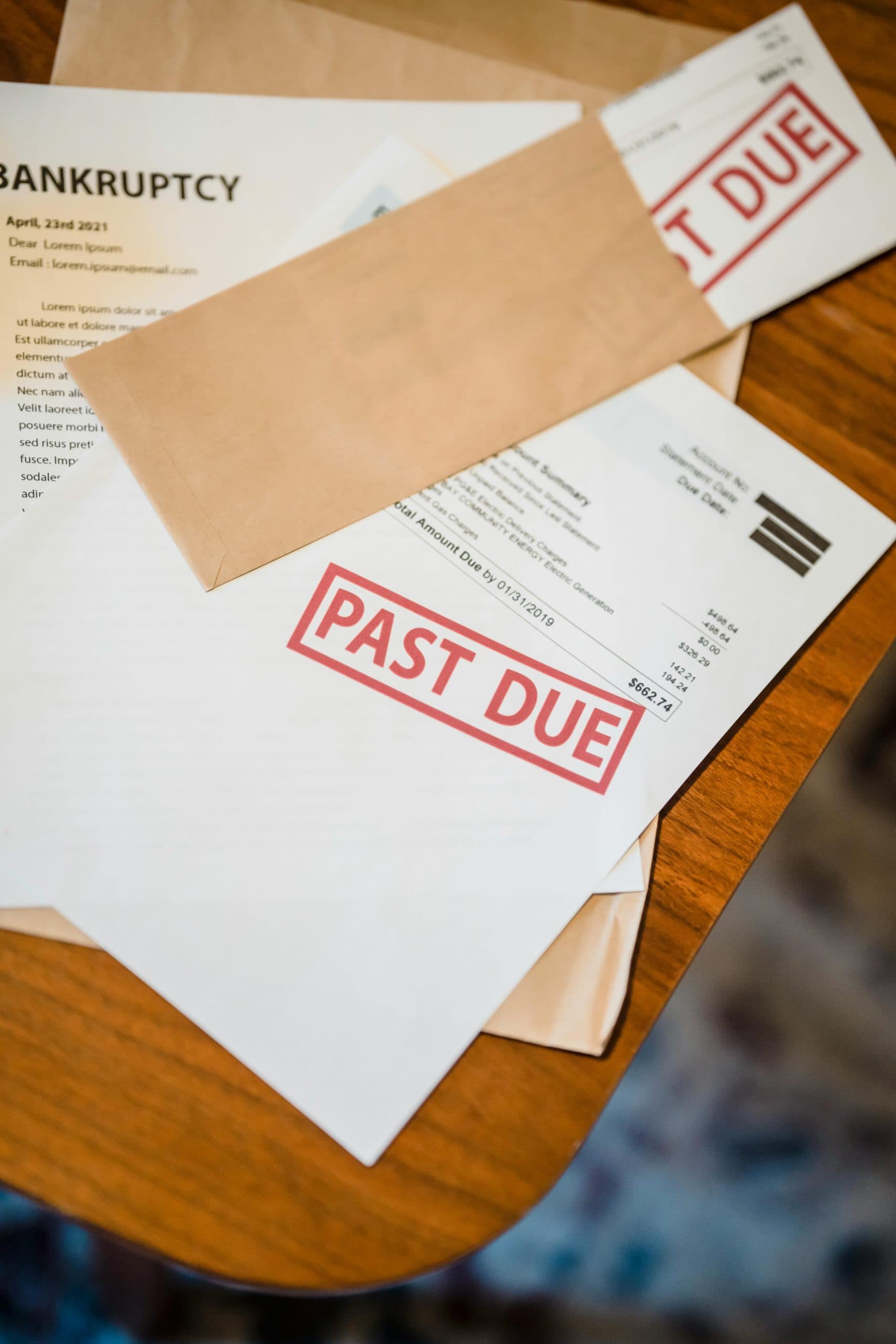
Score bands by bureau
| Bureau | Range | Excellent | Very good | Good | Average | Below average |
|---|---|---|---|---|---|---|
| Equifax | 0–1200 | 833–1200 | 726–832 | 622–725 | 510–621 | 0–509 |
| Experian | 0–1000 | 800–1000 | 700–799 | 625–699 | 550–624 | 0–549 |
| illion | 0–1000 | 800–1000 | 700–799 | 600–699 | 500–599 | 0–499 |
Quick view of the 2025 reform package
| Reform | What changed | Why it helps your score |
|---|---|---|
| Privacy Credit Reporting Code 2025 | Ban notifications, one-touch error correction, tighter data definitions | Blocks fraud faster, removes admin errors, speeds up fixes |
| Financial hardship flags | Repayment history paused and flagged instead of marked late | Protects your score during genuine hardship; flag removed after 12 months |
| BNPL licensing | BNPL treated as low-cost credit with affordability checks, fee caps, AFCA access | Curbs over-commitment; positive BNPL payments can boost your score |
| Bankruptcy threshold | Creditor minimum raised to $20,000, response time extended to 28 days | Fewer small debts end in bankruptcy; shorter public listing |
A detailed look at each reform
Privacy Credit Reporting Code 2025
Ban notifications (from October 2025): place a fraud ban on your file and the bureau must alert you every time a lender pulls your report, stopping identity theft before damage appears. Single-request corrections: one form covers all entries linked to the same fraud event or clerical error, with a 30-day deadline for bureaus to fix or explain. Standard data definitions mean a paid-off card no longer sits “open” on your file.
Hardship flags replace late payments
When money is tight, call your lender before you miss a payment. If they grant hardship, the bureau records an FHI flag — scores ignore it and it disappears after one year, whereas a missed payment would drag your score down for two. The flag gives you breathing room without lasting damage.
BNPL becomes regulated credit
From 10 June 2025 all BNPL providers must hold an Australian Credit Licence, run affordability checks when limits exceed $2,000, cap first-year fees at $200, and join AFCA. BNPL accounts now appear on credit files — consistent on-time instalments add positive data, but missed payments show too, so set automatic repayments.
Insolvency changes
A creditor now needs a debt of at least $20,000 (up from $10,000) to start bankruptcy proceedings, and you get 28 days to respond rather than 21. The public record of a discharged bankruptcy falls to seven years — fewer Australians pushed into bankruptcy over small sums, and faster rebuilding for those who file.
How to fix your credit score, step by step
- 1
Collect your reports
You’re entitled to one free report per year from each bureau. Order online and save PDFs for your records.
- 2
Audit for errors
Look for accounts that aren’t yours, duplicate enquiries on the same day, paid debts still marked unpaid, and open accounts that should be closed.
- 3
Dispute inaccuracies
Send a written correction request with evidence. Under the 2025 code the bureau must respond in 30 days; escalate to the lender, then OAIC or AFCA if needed.
- 4
Negotiate hardship quickly
If you can’t meet a payment schedule, ask the lender for a pause, reduced rate or interest-only period — and confirm it will be coded as hardship, not arrears.
- 5
Build positive history
Pay every bill on time (visible within a month), keep utilisation below 30%, leave old fee-free credit lines open, and limit new enquiries to one every six months.
Safe products when you need credit
| Product | Maximum amount | Typical rate or fee | Score impact |
|---|---|---|---|
| No Interest Loan Scheme | $2,000 | Nil interest, no fees | Neutral unless you default |
| Credit union personal loan | $5,000–$30,000 | 6–14 percent | Positive with on-time payments |
| Secured credit card | Limit equals deposit | 12–20 percent | Builds score if paid monthly |
Smarter application strategy, and what the data shows
Until soft-enquiry legislation passes, use lender pre-qualification tools that rely on partial data rather than a full pull, compare rates through brokers who can access multiple lenders with one enquiry, and space out applications, targeting the product you’re confident fits your profile.
The reforms are more than theory. The average national score climbed to 865 by March 2025 — attributed to positive repayment history entering nearly every active loan under Comprehensive Credit Reporting, and hardship arrangements from the cost-of-living squeeze being coded score-neutral. Fraud prevention is improving too, with a 41% jump in fraud-ban requests between 2023 and 2024. Treasury projects full BNPL reporting will add sixty million on-time repayment events to credit files annually, potentially lifting the median BNPL user’s score by up to thirty points within two years. When consumers engage with the new tools, their credit metrics trend upward.
Frequently asked questions
How long do defaults last?+
Five years from the default date. If the debt is paid, the listing updates to Paid but remains on file.
Can a hardship flag hurt future loan approvals?+
Lenders can see the flag but most weigh it lightly compared to a missed payment. Provide context in your application.
Will cancelling unused cards help?+
Only if the card charges an annual fee and you carry no other balances. Otherwise keep it open for account age and utilisation benefits.
Does BNPL now appear on my credit report?+
From mid-2025 most BNPL providers share repayment data with credit bureaus. On-time instalments build your score; late payments and over-limit use count against you.
How do I place a fraud ban and how long does it last?+
Lodge a ban request with any bureau online or by phone, with ID and a brief statement of suspected fraud. The initial ban lasts 21 days and can be extended to 12 months with a police report or statutory declaration.

Need a loan that fits your situation?
Apply online in minutes and get an outcome fast — it won’t impact your credit score.


- MJ

- KZ