Household Repairs After Extreme Weather And Personal Loan Budget Planning
From application to cash in your bank, fast!


How much do ya need pal?
Applying will not affect your credit score
512 Australians Applied Today

Trusted by thousands of Aussies every month
 4.8
4.8Google
 4.3
4.3TrustPilot
 5
5Word of Mouth
 5
5Product Review
 5
5Facebook
CashPal TeamLast updated 12 March 2026
Household repairs after extreme weather
Extreme weather is now shaping household finances across Australia, not only emergency response. As severe storms, floods, cyclones, bushfires and heatwaves continue to hit communities, repair planning has become closely tied to budgeting, insurance timing and credit decisions. The Bureau of Meteorology says Australia’s peak severe weather season runs from October to April. The Insurance Council of Australia reports that insured losses from 2025 extreme weather climbed to almost $3.5 billion across about 264,000 claims. For many households, figures of that size often mean delayed assessments, stretched trades and repair quotes that rise as the true scope becomes clearer.
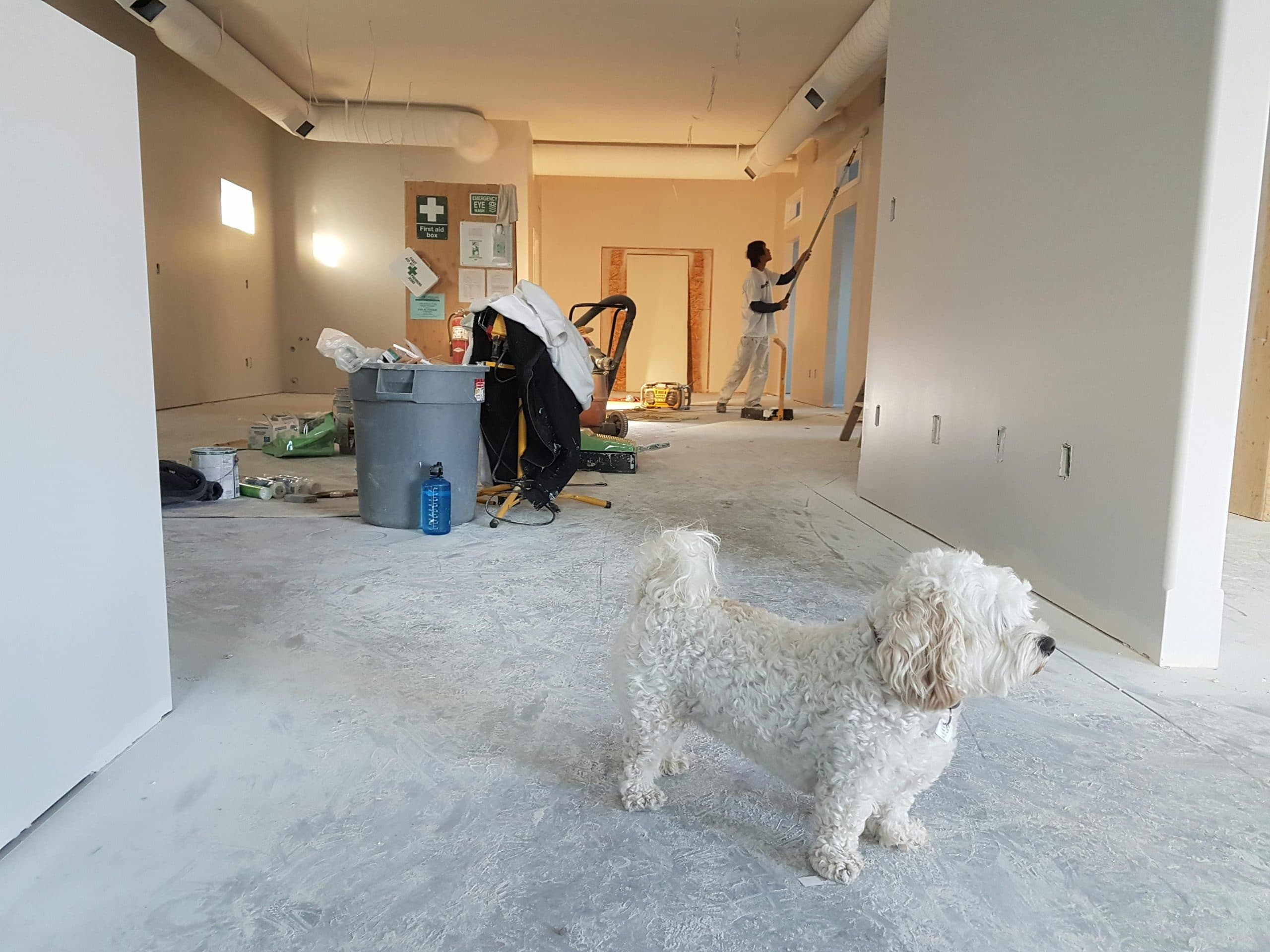
What the first 72 hours can mean for costs and cash flow
Safety comes before quotes or borrowing
The first question after any major event is whether the property is safe to enter and whether more damage can be prevented. Households should only return when authorities say it is safe, power should not be restored after water entry until an electrician has checked the system, and emergency building work should be discussed with the insurer where possible before authorisation. This early period often shapes the final repair bill — wet plaster, soaked floors, roof exposure and trapped moisture can push a moderate loss into a much larger structural problem, and mould can spread quickly after floods and long periods of humidity.
Good records protect claims and future budgeting
Households do not always need to wait for an assessor before beginning clean-up, but they do need to document everything carefully. Photos, video, damaged-item lists and receipts for emergency spending can all become important later, because delays in claim handling remain a major pressure point after large events. A single file should hold photos, invoices, inspection notes, builder comments and a dated log of calls or emails. Clear records also make it easier to estimate the true budget gap before considering household repair loans or other finance.
Where the repair bill usually falls
Insurance is often the first source of funds
For insured households, the first funding source is usually the home policy rather than a new loan. If cover applies, insurers often move first on urgent needs such as temporary accommodation, emergency make-safe work, food spoilage and essential contents replacement. Yet structural work — roofing, rewiring, subfloor drying, cabinetry and wall replacement — is rarely settled in the first week. That gap between early support and later repair costs is where pressure often builds.
Government support helps, but it is limited
Disaster payments can reduce immediate stress though they are not designed to fund a full rebuild. Under the Australian Government Disaster Recovery Payment, eligible adults can receive a one-off $1,000 and eligible children $400. Disaster Recovery Allowance supports those who lose income and can run for up to 13 weeks (it is taxable). State grants can add another layer, especially for uninsured low-income households, but these programs are tightly targeted at making a home safe and liveable rather than restoring every room.
The budget gap usually comes from four areas
Insurance excess, underinsurance, policy exclusions and slow claim progress. Timing is often the least discussed issue yet one of the most serious — a claim may be accepted in principle, but urgent bills can land well before full payment arrives. Betterment can create another gap: standard cover usually pays for like-for-like replacement, so upgrades such as raised switchboards or stronger materials may sit outside the claim.
When a personal loan can help and when it can deepen pressure
| Consideration | What it means for you |
|---|---|
| Borrowing works best for defined and essential costs | A personal loan works best when the cost is known, the purpose is essential and the repayment period is clear — urgent roof stabilisation, drying work, sanitation, electrical safety repairs or temporary replacement of critical items. It becomes riskier when the scope is unclear, so it is a weak fit for cosmetic upgrades, broad renovation plans or a full uninsured rebuild where final costs are still moving. Some borrowers may compare household repair loans through lenders such as CashPal, but the decision should sit within a strict recovery budget rather than an emotional response to damage. |
| Comparison rates and fees matter more than the headline rate | The advertised interest rate is only part of the cost. Comparison rates usually provide a better basis for judging lenders because they include most fees. Also check application fees, ongoing service charges, missed payment fees, redraw limits and early repayment conditions. A loan that looks manageable at first glance can become far more expensive once fees are included — and test whether repayments still work if insurance approval is delayed or a second quote comes in higher. |
| Hardship support may be cheaper than new debt | For households that already have a mortgage or existing loan, hardship assistance may be a better option than taking on more debt. Lenders may offer repayment pauses, restructures or fee relief for disaster-affected customers, protecting cash flow without adding a second credit commitment. |
A staged budget is stronger than one headline figure
A single number often creates false confidence because the true scope usually becomes clearer as demolition, drying and inspection move forward.
- 1
Immediate safety and health work
Tarping, tree removal, electrical inspection, water extraction, temporary drying and urgent sanitation.
- 2
Structural and service repairs
Roofing, framing, replumbing, rewiring, subfloor work and wall replacement.
- 3
Internal function
Kitchen work, bathroom repairs, laundry restoration, flooring and cabinetry.
- 4
Deferred upgrades or resilience measures
Raised services, stronger materials and non-essential finishes.
Independent cost guides help test quotes
Archicentre Australia's indicative allowances for an average 150 square metre home. A contingency of 10 to 15 per cent can help cover hidden damage, especially after flood or storm events where moisture, mould, wiring faults and subfloor issues appear only after strip-out begins.
| Repair | Indicative allowance |
|---|---|
| Rewiring | About $8,800 |
| Re-roofing | About $9,900 |
| Replumbing | About $13,750 |
Warning signs that a loan may be the wrong choice
- The borrowing includes both urgent repairs and discretionary upgrades
- The budget relies on one quote only
- Insurance reimbursement has not been confirmed in writing
- Repayments work only if income stays unchanged
- An existing lender hardship option would cost less
The role of loan planning in a broader recovery strategy
Personal credit should not be treated as the main disaster recovery tool. Insurance, grants, hardship support and staged works should sit at the centre of the plan. Borrowing works best as a narrow bridge for urgent recovery where the amount is capped and repayment capacity is stable — covering an immediate gap between the event and the final insurance outcome, or funding make-safe work where delays would worsen the damage. What it should not do is carry the weight of a whole rebuild without clear figures, confirmed income and a realistic timeline. Define the essential work, verify the full cost, compare the true loan price and test whether repayments still hold under stress. Where those checks are met, lenders including CashPal may serve as one part of a wider recovery plan.
Frequently asked questions
Should I start repairs before the insurer assesses the damage?+
You can usually begin clean-up and urgent make-safe work, but you should speak to your insurer first where possible and keep written approval, photos and receipts.
What counts as make-safe work after extreme weather?+
It usually includes urgent steps that prevent further damage or protect safety, such as tarping, electrical isolation, water extraction and temporary security.
Will disaster payments cover full household repair costs?+
No. They are generally intended for short-term or basic recovery support, not full restoration funding.
When is a personal loan reasonable for weather-related repairs?+
It may be reasonable when the amount is defined, the work is essential and repayments remain affordable even if the claim takes longer than expected.
What is the difference between an interest rate and a comparison rate?+
The interest rate is the borrowing rate alone. The comparison rate includes the interest rate plus most fees and charges, so it is usually better for comparing loans.
Can I complain if my insurance claim is taking too long?+
Yes. Use the insurer’s internal complaints process first. If the issue is not resolved, you can escalate it to AFCA.
Is Disaster Recovery Allowance taxable in Australia?+
Yes. Disaster Recovery Allowance is taxable. The Australian Government Disaster Recovery Payment is not.

Need a loan that fits your situation?
Apply online in minutes and get an outcome fast — it won’t impact your credit score.


- MJ

- KZ