Small Loan Application Checklist for Self Employed Borrowers
From application to cash in your bank, fast!


How much do ya need pal?
Applying will not affect your credit score
512 Australians Applied Today

Trusted by thousands of Aussies every month
 4.8
4.8Google
 4.3
4.3TrustPilot
 5
5Word of Mouth
 5
5Product Review
 5
5Facebook
John MartinezLast updated 17 February 2026Fact checked
Small loans for self-employed borrowers
Self-employed people in Australia face different obstacles when applying for small cash loans than regular employees. When considering such requests, lenders give priority to substantiated revenue and steady cash flow. This checklist describes the documentation requirements and strategic factors that expedite approval.
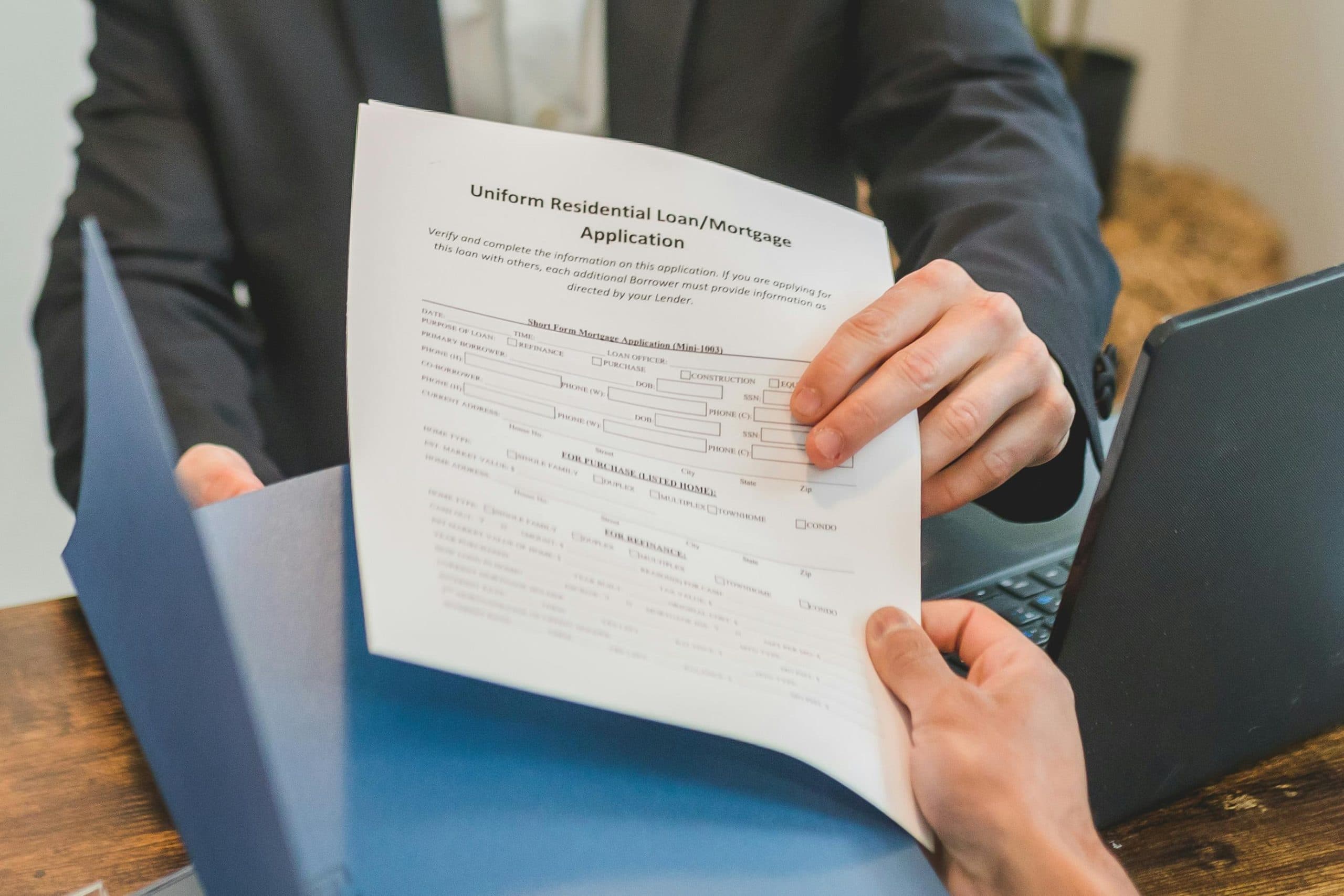
What lenders actually want from self-employed applicants
Proof of identity and business legitimacy
Establish both personal credentials and legal business standing. A driver’s licence or passport is primary ID, and utility bills or rates notices prove address.
Business legitimacy needs an Australian Business Number (ABN) held for at least 12 months, business name registration certificates, GST registration documentation when applicable, an ASIC extract for companies showing current status and directors, and partnership or sole trader registration papers.
Verifiable income: tax returns, BAS and accountant letters
Full-documentation applications typically demand one to two years of personal and business tax returns with ATO Notices of Assessment. Profit and loss records, balance sheets and recent BAS demonstrate operational health, and where paperwork is unavailable, an accountant’s declaration confirming income and viability can satisfy lenders. CashPal recognises that alternative documentation paths serve legitimate owners with irregular filing schedules.
Bank statements, cashflow and regular deposits
Lenders scrutinise personal and business bank statements spanning three to six months, looking for regular deposits and steady income. Irregular cash deposits and mixed personal-business transactions complicate assessment; linking deposits to contracts or invoices and keeping accounts separate shortens processing.
Credit, existing obligations and serviceability
Analyses go beyond current earnings — credit bureaus like Experian and Equifax provide repayment histories, and outstanding obligations require full disclosure. Asset documentation (property, vehicles, savings) supports repayment-capacity arguments, and separating personal and corporate finances produces cleaner assessments.
The checklist: are your core documents ready?
Documents ready? Apply online
It takes around 5 minutes
Apply nowConfirm all the above to check your eligibility
Business records and supporting evidence
Beyond the core documents, these records verify revenue and loan purpose.
| Category | What to prepare |
|---|---|
| Business records | Profit and loss statements and balance sheets for the past one to two years, business tax returns when filed separately from personal returns, BAS covering recent quarters or the previous 12 months, and invoices or contracts supporting revenue claims. |
| Bank statements and transaction narratives | Personal statements covering three to six months; business records may extend three to twelve months. Label large or irregular deposits clearly — explanations prevent questions and help lenders verify income while identifying red flags such as undisclosed related-party payments. |
| Supporting evidence for loan purpose | Equipment quotes, renovation invoices, ongoing work contracts, cashflow forecasts and business plans for growth funding. Clear purpose statements backed by concrete facts improve approval rates. |
Choice of lender, product fit and timing
Which product suits your situation
Several categories serve self-employed needs. Personal loans address general requirements; business loans fund equipment or working capital; low-documentation products accommodate limited tax-return histories. Mainstream banks prefer full-documentation approaches, while specialist lenders offer greater flexibility and broker networks provide alternative documentation pathways.
When to use a broker vs going direct
Brokers specialise in self-employed scenarios and know which lenders accept flexible documentation. Direct applications may process faster for straightforward full-doc cases, but complex income situations benefit from broker expertise and wider lender access. Consult specialists when documentation falls outside standard formats.
Timing windows and red flags
Submitting shortly after filing tax returns ensures current verification data, and BAS lodgement schedules determine low-doc feasibility. Lenders watch for unexplained cash transactions, inconsistent personal/business account usage, undocumented related-party payments, and frequent changes in business structure or ABN.
Practical steps to improve approval odds
- 1
Keep clean, separated books
Accurate, current records are essential. Separate accounts for personal and business transactions simplify assessments, consistent invoicing verifies income, and transparent financial management demonstrates professional operations.
- 2
Run pre-application checks
Obtain your credit reports to identify and correct errors, verify the lender holds an Australian Credit Licence, and confirm AFCA membership for dispute protection.
- 3
Know your options if something goes wrong
Hardship arrangements follow ASIC guidelines, AFCA complaints address breaches of responsible lending, and professional advice assists with restructuring. Communicate with your lender early and keep accurate records to support any dispute resolution.
Frequently asked questions
What minimum documents do I need as a self-employed borrower?+
Photo ID and proof of address form the foundation. ABN or ACN registration proves business legitimacy, ATO notices of assessment verify income, and GST registration applies when relevant.
Can I use BAS instead of tax returns to prove income?+
Yes. Some lenders accept BAS for low-documentation applications, often supplemented by an accountant’s declaration.
How far back do lenders want tax returns or BAS?+
Standard requirements span one to two years for tax returns; BAS typically covers 12 months. Low-doc lenders may require less.
What is a low-doc or alt-doc loan and when is it appropriate?+
Low-documentation loans serve self-employed borrowers without full tax returns, relying on BAS or bank statements with an accountant letter for verification.
Will irregular deposits or cash payments hurt my application?+
Lenders prefer consistent income. Unexplained cash deposits may delay approvals or reduce amounts; traceable income strengthens applications.
How do I show consistent income if revenue fluctuates seasonally?+
Multiple years of tax returns show average patterns, BAS reveals seasonal trends, and extended bank statements provide additional context.
Do I need an accountant’s letter and what should it include?+
Accountant declarations support low-doc pathways. They should confirm income levels, business viability and tax compliance.
Should I apply direct to a bank or use a broker?+
Full-documentation cases suit direct applications. Complex income situations benefit from broker expertise and wider lender networks.
How does the ATO notice of assessment affect decisions?+
It verifies declared income and confirms tax compliance. Lenders consider it essential, and current assessments carry more weight than outdated notices.

Need a loan that fits your situation?
Apply online in minutes and get an outcome fast — it won’t impact your credit score.


- MJ

- KZ